
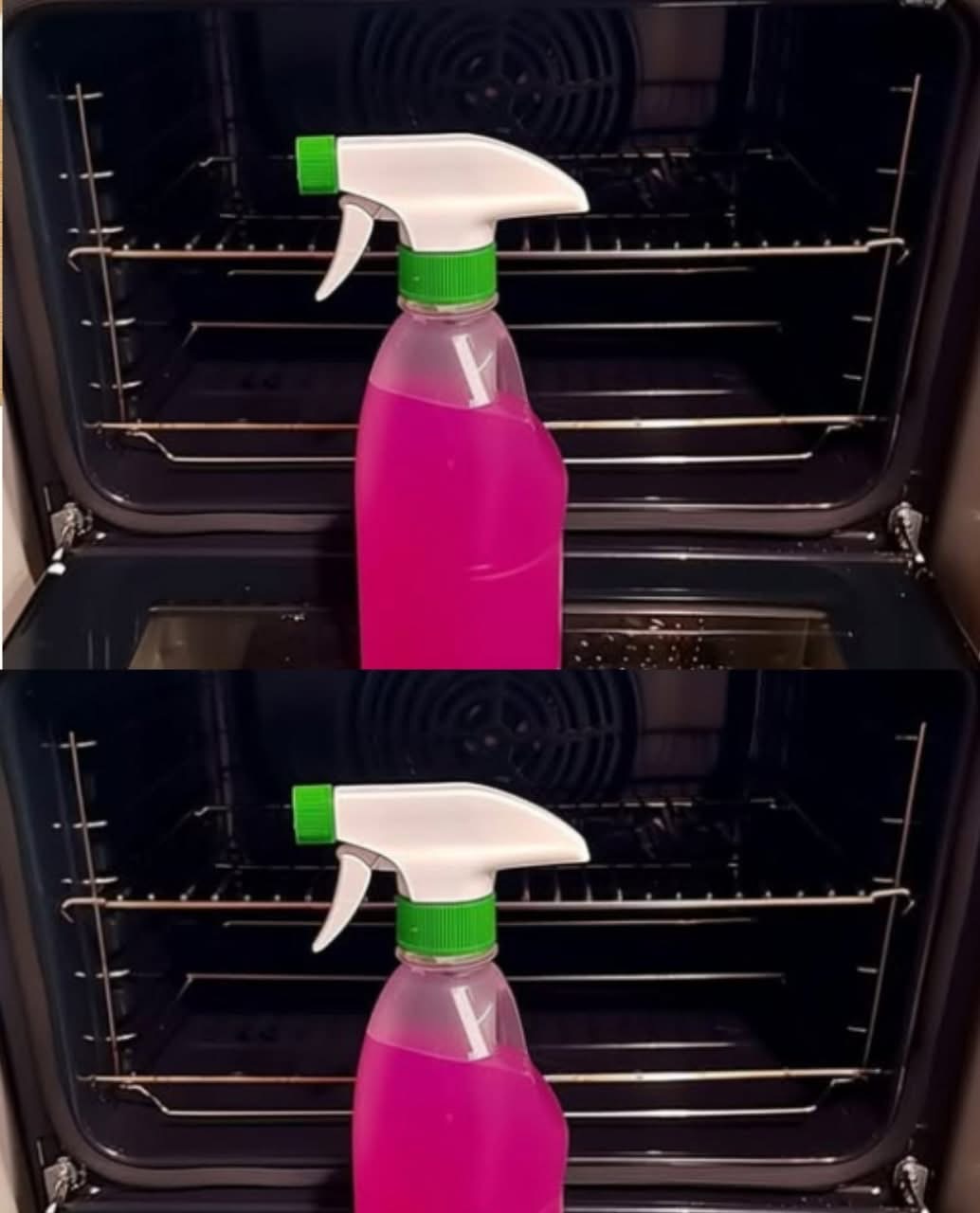
Keeping your oven clean is one of the most important yet often overlooked tasks in maintaining a hygienic kitchen. Over time, grease splatters, burnt food, and baked-on residue accumulate inside the oven, creating stubborn stains and unpleasant odors. Many people turn to commercial oven cleaners to tackle this problem. However, these products often contain strong chemicals that produce harsh fumes and can irritate the skin, eyes, and respiratory system.
Fortunately, there is a safer and more affordable alternative. A homemade natural oven cleaner made from simple household ingredients can effectively break down grease and grime while avoiding the harsh chemicals found in many store-bought cleaners. With just a few pantry staples, you can create a powerful cleaning solution that restores your oven’s shine and keeps your kitchen environment healthier.
In this guide, you will learn everything you need to know about making and using a homemade oven cleaner. We will explore the benefits of natural cleaning solutions, the science behind why they work, step-by-step cleaning instructions, helpful tips, and answers to common questions. By the end, you will have a complete system for keeping your oven spotless using ingredients you likely already have at home.
Why Avoid Harsh Oven Cleaners?
Commercial oven cleaners are designed to dissolve heavy grease and carbonized food quickly. While they can be effective, they often rely on powerful chemicals such as sodium hydroxide or other corrosive substances. These ingredients can break down grease but may also pose risks when used incorrectly.
Many people notice strong fumes when using commercial cleaners. These fumes can irritate the lungs and eyes, especially in poorly ventilated kitchens. Some products even require protective gloves or masks during use. In addition, chemical cleaners can leave residues inside the oven if they are not rinsed thoroughly, which may create unpleasant smells the next time the oven is heated.
Another concern is environmental impact. Chemical cleaning products often contain ingredients that can be harmful to waterways and ecosystems once washed down the drain. Switching to natural cleaning solutions helps reduce chemical exposure in your home and limits environmental pollution.
For households with children, pets, or individuals sensitive to strong scents, natural alternatives can provide peace of mind while still delivering excellent cleaning performance.
The Power of Natural Cleaning Ingredients
Natural oven cleaners rely on the cleaning properties of common kitchen ingredients. These substances may appear simple, but they are surprisingly effective when combined correctly.
Vinegar
White vinegar is one of the most versatile natural cleaning agents. Its mild acidity helps dissolve grease, mineral deposits, and food residues. Vinegar also acts as a natural deodorizer, helping eliminate unpleasant odors from the oven.
Baking Soda
Baking soda is a gentle abrasive that helps lift and scrub away stubborn stains without scratching surfaces. It also reacts with acids such as vinegar to create a foaming action that loosens baked-on grime.
Dish Soap
Dish soap is specifically designed to cut through grease. When added to a homemade oven cleaner, it boosts the mixture’s ability to break down oily residues and food splatters.
Water
Water helps dilute the mixture and allows the ingredients to spread evenly over the oven’s surfaces. Warm water can further enhance the cleaning power by helping grease dissolve faster.
Together, these ingredients create a powerful but safe cleaning formula that can handle most everyday oven messes.
Homemade Natural Oven Cleaner Recipe
Creating your own oven cleaner takes only a few minutes and requires minimal preparation.
Ingredients
- 1 cup white vinegar
- 1 cup warm water
- 1 to 2 tablespoons dish soap
- 1 tablespoon baking soda (optional for extra cleaning power)
Equipment
- Spray bottle
- Mixing bowl
- Sponge or microfiber cloth
- Soft scrub brush (optional)
- Rubber gloves (optional)
Instructions
- Pour the vinegar and warm water into a mixing bowl or directly into the spray bottle.
- Add the dish soap and gently shake or stir the mixture to combine.
- If you want extra cleaning strength, add baking soda and shake lightly.
- Close the spray bottle and label it if you plan to store it for future use.
Your homemade oven cleaner is now ready to use.
Step-by-Step Guide to Cleaning Your Oven
Cleaning your oven with a natural solution is simple, but following a systematic process will give the best results.
Step 1: Ensure the Oven Is Cool
Before cleaning, make sure the oven is completely turned off and cool. Cleaning a hot oven can be dangerous and may cause the solution to evaporate too quickly.
Step 2: Remove Oven Racks
Take out the oven racks and set them aside. This will allow you to reach every corner of the oven interior.
Step 3: Spray the Cleaning Solution
Spray the homemade cleaner generously on the interior surfaces of the oven. Focus on greasy areas, baked-on stains, and corners where residue often accumulates.
Avoid spraying directly onto heating elements or electrical components.
Step 4: Let the Solution Sit
Allow the solution to sit for 15 to 20 minutes. This resting period gives the ingredients time to break down grease and loosen stubborn residue.
For extremely dirty ovens, you may let the solution sit for up to 30 minutes.
Step 5: Scrub Gently
Use a sponge or soft brush to scrub the surfaces. Baking soda will act as a mild abrasive to help remove stuck-on food particles.
Be gentle to avoid damaging oven coatings.
Step 6: Wipe Clean
Use a damp cloth or sponge to wipe away the loosened grime and cleaning solution. You may need to rinse the cloth several times to remove all residue.
Step 7: Clean the Oven Racks
Spray the racks with the same solution and scrub them with a sponge or brush. For heavy buildup, soaking racks in warm soapy water for 30 minutes can help.
Step 8: Dry the Oven
Finish by wiping the interior with a clean, dry cloth. Replace the racks once everything is dry.
Your oven should now look significantly cleaner and fresher.
Dealing With Tough Stains and Burnt Residue
Sometimes ovens develop thick layers of burnt grease or food that require extra effort to remove. In these cases, a baking soda paste can help.
Baking Soda Deep-Cleaning Method
- Mix baking soda with a small amount of water to create a thick paste.
- Spread the paste over heavily stained areas of the oven.
- Let it sit overnight.
- The next day, spray vinegar over the paste to create a foaming reaction.
- Scrub and wipe clean.
This method is particularly effective for ovens that have not been cleaned for a long time.
Benefits of Using Homemade Oven Cleaners
Switching to a natural oven cleaner offers several advantages beyond just saving money.
Healthier Indoor Air
Natural ingredients produce far fewer fumes compared to chemical cleaners, making your kitchen more comfortable and safer during cleaning.
Cost Savings
Most ingredients used in homemade cleaners are inexpensive and often already available in your pantry. This makes natural cleaning solutions far more economical over time.
Eco-Friendly Choice
Homemade cleaners reduce the number of synthetic chemicals released into the environment and minimize plastic packaging waste.
Multi-Purpose Cleaning
The same mixture used for cleaning ovens can often be used to clean stovetops, countertops, sinks, and other kitchen surfaces.
Tips for Keeping Your Oven Clean Longer
Regular maintenance can reduce the need for deep cleaning and make oven care much easier.
Wipe Spills Immediately
If food spills inside the oven while cooking, wipe it up once the oven cools. This prevents stains from hardening and becoming difficult to remove.
Use Baking Sheets
Placing a baking sheet under dishes that may overflow can catch spills before they reach the oven floor.
Clean Monthly
A quick monthly cleaning prevents grease buildup and keeps the oven looking fresh.
Cover Dishes
Using lids or foil when roasting foods can minimize splattering.
Safety Tips for Natural Oven Cleaning
Although homemade cleaners are generally safer than chemical products, a few precautions are still important.
- Always ensure the oven is turned off and cool before cleaning.
- Avoid mixing vinegar with bleach or other strong chemicals.
- Use gloves if you have sensitive skin.
- Keep cleaning solutions out of reach of children and pets.
Following these simple guidelines ensures a safe and effective cleaning process.
Frequently Asked Questions
Can natural cleaners really replace commercial oven cleaners?
For light to moderate grease and stains, natural cleaners work very well. However, extremely heavy carbon buildup may still require stronger commercial products.
How often should I clean my oven?
Most households benefit from cleaning the oven every one to three months, depending on how frequently it is used.
Can I add essential oils?
Yes. Adding a few drops of lemon or orange essential oil can provide a pleasant fragrance and additional grease-cutting properties.
Will vinegar damage my oven?
Vinegar is generally safe for most oven surfaces when diluted with water. However, avoid excessive use on sensitive materials or aluminum components.
Final Thoughts
A clean oven not only improves the appearance of your kitchen but also helps maintain better cooking performance and eliminates unpleasant odors. While commercial oven cleaners can be effective, they often come with strong chemicals that many people prefer to avoid.
By using simple ingredients such as vinegar, baking soda, dish soap, and water, you can create a powerful homemade oven cleaner that removes grease, loosens baked-on food, and leaves your oven fresh and sparkling. This natural solution is affordable, environmentally friendly, and easy to prepare.
With regular maintenance and the right cleaning techniques, your oven can stay in excellent condition for years without the need for harsh chemical cleaners. Making the switch to natural cleaning methods is a small change that can make a big difference for your home, your health, and the environment.
Start using this homemade oven cleaner today and enjoy a safer, cleaner, and more sustainable kitchen.