
Introduction
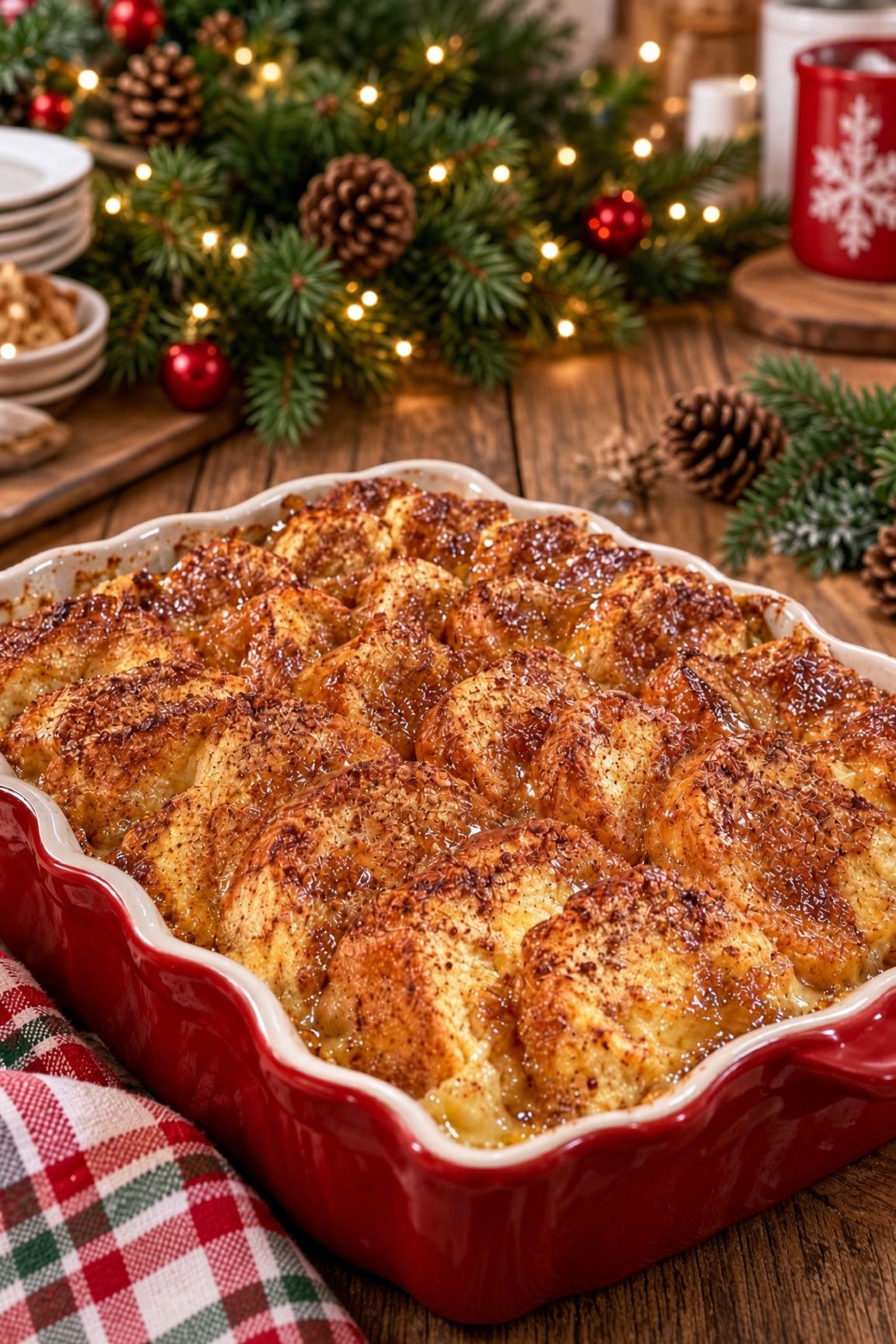
Overnight French Toast Casserole is a delicious breakfast dish that combines soft, custard-soaked bread with a sweet, buttery crumb topping. Prepared the night before and baked in the morning, this easy breakfast casserole is perfect for busy mornings, weekend brunches, holiday breakfasts, and family gatherings. With its warm cinnamon flavor, rich vanilla custard, and golden topping, it transforms simple ingredients into a comforting meal everyone can enjoy.
One of the best things about this recipe is its convenience. Instead of preparing individual slices of French toast at the stove, you can assemble everything in a single baking dish and let the refrigerator do most of the preparation overnight. In the morning, simply add the crumb topping, bake until golden, and serve warm with maple syrup.
Brioche or challah bread works especially well because both varieties have a soft texture that absorbs the egg custard beautifully. The addition of milk, heavy cream, vanilla, cinnamon, and nutmeg creates a rich flavor, while the brown sugar and butter topping adds a pleasant sweetness and texture.
Whether you are preparing a special Christmas breakfast, hosting a weekend brunch, or looking for an easy make-ahead breakfast recipe, this Overnight French Toast Casserole is an excellent choice.
Origin and Cultural Significance
French toast has a long culinary history, with versions of bread soaked in milk and eggs appearing in different cultures throughout the centuries. The technique was also a practical way to use leftover bread rather than allowing it to go to waste.
Although French toast is widely associated with French cuisine, similar dishes have existed in various parts of Europe and beyond. In France, a familiar version is known as pain perdu, meaning lost bread, referring to the practice of giving stale bread a new purpose.
Over time, French toast became a popular breakfast food in North America, where it is commonly served with butter, maple syrup, powdered sugar, fresh fruit, or other sweet toppings. Casserole-style versions developed as a convenient way to prepare French toast for multiple people without cooking every slice individually.
Overnight French Toast Casserole has become particularly popular for holidays and family gatherings because most of the preparation can be completed in advance. This allows hosts to spend less time cooking in the morning and more time enjoying breakfast with their guests.
Today, this comforting dish is often served during Christmas morning celebrations, Easter brunches, weekend breakfasts, and special family occasions. Its combination of familiar ingredients and easy preparation makes it a favorite among home cooks.
Ingredients Quantity
- 1 loaf of brioche or challah bread, cut into 1-inch cubes
- 8 large eggs
- 2 cups whole milk
- 1/2 cup heavy cream
- 3/4 cup granulated sugar
- 2 tablespoons pure vanilla extract
- 1 teaspoon ground cinnamon
- 1/4 teaspoon ground nutmeg
- Pinch of salt
- 1/2 cup brown sugar
- 1/2 cup all-purpose flour
- 1/2 cup unsalted butter, cold and cubed
- 1 cup chopped pecans or walnuts (optional)
- Maple syrup, for serving
Brioche and challah are excellent choices for this recipe because their soft, slightly rich texture absorbs the custard while maintaining enough structure to create a satisfying casserole. Day-old bread is particularly useful because it absorbs the liquid without becoming excessively mushy.
Eggs provide structure and help the custard set during baking. Whole milk and heavy cream create a rich, creamy texture, while granulated sugar adds sweetness and helps balance the flavors of the bread and spices.
Vanilla extract enhances the overall aroma, while cinnamon and nutmeg contribute the warm, comforting flavors commonly associated with breakfast pastries. A small pinch of salt balances the sweetness and brings the ingredients together.
The crumb topping is made with brown sugar, flour, and cold butter. As the casserole bakes, the butter melts and combines with the dry ingredients to create a sweet, crumbly topping.
Pecans or walnuts are optional but add a pleasant crunch and nutty flavor. Maple syrup is served over the finished casserole, providing a classic breakfast touch that complements the cinnamon and vanilla.
Optional Additions
There are many ways to customize Overnight French Toast Casserole to suit your taste. Fresh berries, such as blueberries, raspberries, or sliced strawberries, can be added between the bread cubes before pouring over the custard. They provide a fruity flavor that balances the richness of the dish.
For a citrus-inspired variation, add a little freshly grated orange zest to the custard mixture. The bright citrus aroma pairs beautifully with vanilla, cinnamon, and nutmeg.
Chopped pecans or walnuts can be mixed into the crumb topping for additional texture. If you prefer a simpler topping, you can leave out the nuts without changing the basic preparation method.
Raisins or dried cranberries are also excellent additions. Scatter a small handful among the bread cubes before adding the custard to distribute their sweetness throughout the casserole.
For a richer flavor, a little additional cinnamon can be sprinkled over the top before baking. You can also add a small amount of brown sugar to the custard if you prefer a sweeter breakfast.
If you want to serve the casserole as part of a larger brunch, consider offering fresh fruit, Greek yogurt, or lightly sweetened whipped cream on the side. These additions provide variety and make the breakfast table feel more complete.
Tips for Success
Use day-old bread whenever possible. Slightly stale bread absorbs the egg mixture more effectively than very fresh bread and helps the casserole maintain a pleasant texture after baking.
Cut the bread into evenly sized cubes so that the custard is distributed more consistently. Pieces approximately one inch in size work well because they provide enough surface area to absorb the liquid while retaining some structure.
Make sure the custard mixture is thoroughly whisked before pouring it over the bread. The eggs, milk, cream, sugar, vanilla, and spices should be evenly combined so that every portion of the casserole has a consistent flavor.
Press the bread cubes gently into the custard to help them absorb the liquid. Some pieces may float slightly, but the goal is to moisten the bread as evenly as possible.
Refrigerate the casserole for at least six hours, preferably overnight. This resting period allows the bread to absorb the custard, creating a softer interior and a more cohesive finished dish.
Keep the casserole covered while it rests in the refrigerator. Since it contains eggs and dairy products, it should remain refrigerated until you are ready to bake it.
Prepare the crumb topping with cold butter. Using cold, cubed butter helps create a crumbly mixture rather than a smooth paste. Work the butter into the flour and brown sugar with your fingertips or a pastry cutter until the mixture resembles coarse crumbs.
Bake the casserole uncovered to encourage the topping to become golden and crisp. If the top begins browning too quickly while the center remains unset, loosely cover the dish with aluminum foil and continue baking until the custard is cooked through.
Allow the casserole to rest for several minutes after removing it from the oven. This helps the custard settle and makes the portions easier to serve.
Instructions
1. Prepare the Baking Dish
Grease a 9×13-inch baking dish with butter or non-stick cooking spray. Make sure the bottom and sides are lightly coated to help prevent the casserole from sticking.
2. Add the Bread
Cut the brioche or challah into approximately 1-inch cubes. Spread the bread evenly across the prepared baking dish, making sure the pieces are distributed throughout the pan.
3. Prepare the Custard
In a large mixing bowl, whisk together the eggs, whole milk, heavy cream, granulated sugar, vanilla extract, ground cinnamon, ground nutmeg, and a pinch of salt.
Continue whisking until the eggs are fully incorporated and the mixture looks smooth. This custard will provide the moisture, flavor, and structure needed to transform the bread into a soft breakfast casserole.
4. Pour the Custard Over the Bread
Pour the egg mixture evenly over the bread cubes. Gently press the bread down with a spoon or spatula so that the pieces absorb the custard.
Check the corners of the baking dish to make sure the liquid has reached the bread throughout the pan. This helps prevent dry patches in the finished casserole.
5. Refrigerate Overnight
Cover the baking dish tightly with plastic wrap or a suitable cover and place it in the refrigerator for at least six hours, preferably overnight.
During this time, the bread absorbs the custard and develops the soft, rich texture that makes overnight French toast so delicious. Keeping the dish refrigerated also helps maintain food safety while the egg and dairy mixture rests.
6. Preheat the Oven
The following morning, preheat your oven to 350°F (175°C). Remove the baking dish from the refrigerator while you prepare the crumb topping.
Avoid leaving the egg-based casserole at room temperature for an extended period.
7. Prepare the Crumb Topping
In a medium bowl, combine the brown sugar and all-purpose flour. Add the cold, cubed butter and work it into the mixture using a pastry cutter or your fingertips.
Continue mixing until the ingredients form coarse crumbs. If desired, stir in the chopped pecans or walnuts for extra crunch and flavor.
8. Add the Topping
Sprinkle the crumb topping evenly over the soaked bread. Try to cover the surface without pressing the crumbs firmly into the custard.
An even layer helps the casserole develop a delicious golden topping while the bread underneath cooks.
9. Bake the Casserole
Place the baking dish in the preheated oven and bake uncovered for approximately 45–50 minutes, or until the top is golden brown and the custard is set.
The exact baking time can vary depending on the bread, the amount of liquid absorbed, and your oven. If the center remains very soft or appears undercooked, continue baking until the egg mixture is fully set.
For food safety, the center should reach 160°F (71°C). If the topping becomes too dark before the center is ready, loosely cover the dish with aluminum foil and continue baking.
10. Rest Before Serving
Remove the casserole from the oven and allow it to rest for approximately five to ten minutes. This short resting period helps the custard settle and makes the casserole easier to portion.
11. Serve With Maple Syrup
Cut the casserole into eight portions and serve warm. Drizzle maple syrup over each serving for a classic French toast flavor.
You can also add fresh berries, sliced bananas, or a light dusting of powdered sugar if desired.
Description
Overnight French Toast Casserole is a comforting breakfast dish featuring soft, custard-soaked brioche or challah topped with a sweet, buttery crumble. The combination of eggs, milk, cream, vanilla, cinnamon, and nutmeg creates a rich interior, while the brown sugar topping adds sweetness and a satisfying texture.
Unlike traditional French toast, which requires cooking individual slices on a stovetop, this casserole is baked in a single dish. The overnight preparation allows the bread to absorb the custard, making it especially convenient for mornings when you want a homemade breakfast without spending a long time in the kitchen.
The finished casserole is golden on top, tender in the center, and delicious when served with maple syrup. Optional nuts provide a pleasant crunch, while fresh fruit can add brightness and variety.
This recipe is ideal for Christmas morning, weekend brunch, family breakfasts, and special occasions. It can also be served as part of a breakfast buffet alongside eggs, fresh fruit, yogurt, coffee, or tea.
Nutritional Information
Each serving contains approximately 380 calories, based on the estimated nutritional information provided for this recipe. Actual values may vary depending on the bread, dairy products, butter, sugar, optional nuts, and serving size.
The eggs provide protein, while the milk and cream contribute calcium and other nutrients. Bread supplies carbohydrates that provide energy, and the nuts, when included, contribute additional fats, protein, and minerals.
The recipe also contains added sugars from the granulated sugar, brown sugar, and maple syrup. The amount of syrup used at serving time can significantly affect the total calories and sugar per portion.
For a more balanced breakfast, consider serving a smaller portion alongside fresh berries or other fruit. You can also adjust the amount of maple syrup according to your preference.
Estimated nutritional information per serving:
- Calories: 380 kcal
- Protein: Approximately 8–12 g
- Carbohydrates: Approximately 45–55 g
- Fat: Approximately 17–22 g
These figures are estimates rather than laboratory-calculated values. For greater accuracy, calculate the nutrition using the exact ingredients and quantities you use.
Conclusion
Overnight French Toast Casserole is an easy and delicious way to prepare a special breakfast with minimal morning effort. The combination of rich custard, soft bread, warm spices, and a buttery crumb topping creates a comforting dish that is perfect for sharing.
Preparing the casserole the night before makes it especially convenient for holidays, weekend brunches, and family gatherings. Instead of cooking individual slices of French toast, you can bake everything together in one dish and serve several people at once.
For the best results, use day-old brioche or challah, allow enough time for the bread to absorb the custard, and bake until the center is fully set. A golden crumb topping and a drizzle of maple syrup make the finished casserole even more inviting.
Recommendation
Serve Overnight French Toast Casserole warm with pure maple syrup and fresh seasonal fruit. Blueberries, strawberries, raspberries, and sliced bananas are all excellent choices that complement the rich custard and sweet topping.
For a complete brunch, pair the casserole with scrambled eggs, yogurt, fresh fruit, and your favorite hot beverage. This combination provides a variety of flavors and textures while making the meal suitable for family gatherings or entertaining guests.
If you are preparing the recipe for a holiday breakfast, assemble the casserole the evening before and keep it covered in the refrigerator. Prepare the crumb topping in advance as well, storing it separately in the refrigerator until you are ready to bake.
Leftovers should be refrigerated promptly in a covered container and enjoyed within three to four days. Reheat individual portions thoroughly before serving.
Embracing Healthful Indulgence
A delicious breakfast can be both comforting and satisfying. Overnight French Toast Casserole is a rich, sweet dish that works particularly well for special occasions when you want to enjoy homemade food with family and friends.
To create a balanced breakfast, serve moderate portions alongside fresh fruit or plain yogurt. You can also control the amount of maple syrup added to each serving, allowing everyone to adjust the sweetness to their preference.
Making thoughtful choices does not mean giving up the foods you love. Instead, it means enjoying special dishes as part of a varied diet that includes fruits, vegetables, protein-rich foods, and other nourishing ingredients.
With its make-ahead convenience, warm cinnamon flavor, and delicious crumb topping, this Overnight French Toast Casserole is a wonderful addition to your breakfast recipe collection.
Enjoy your Overnight French Toast Casserole!
Recipe Details
Prep Time: 15 minutes
Chilling Time: At least 6 hours, preferably overnight
Cooking Time: 45–50 minutes
Total Time: Overnight plus approximately 1 hour
Servings: 8
Calories: Approximately 380 per serving