
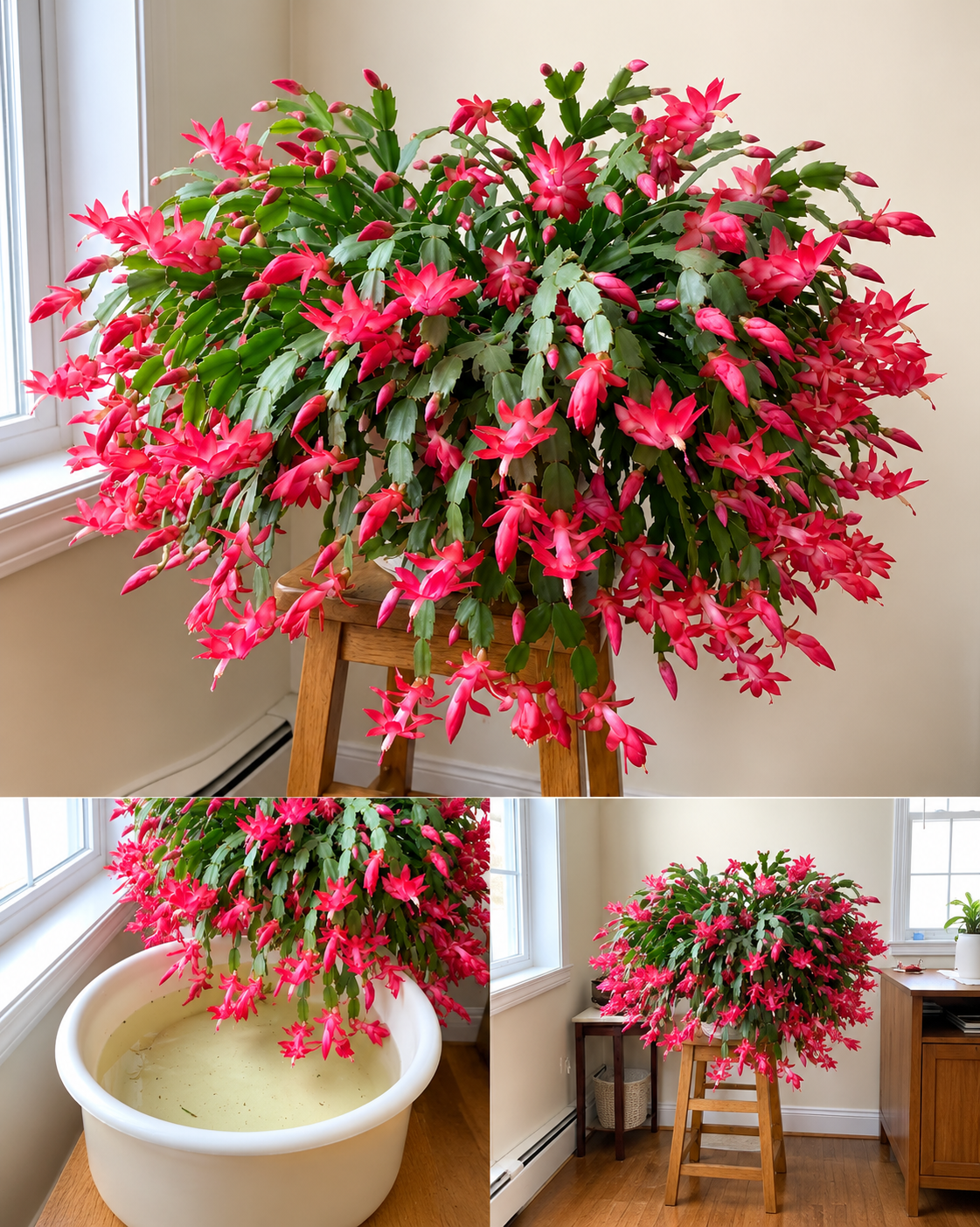
A Christmas cactus covered in vibrant pink, red, or white flowers is a beautiful sight during the holiday season. But if your plant has limp stems, yellowing segments, or flower buds that keep falling off, its watering routine may need attention.
Knowing how to water a Christmas cactus properly is one of the most important parts of keeping this popular houseplant healthy. Too much water can damage its roots, while allowing the potting mix to become excessively dry can stress the plant, especially when it’s producing buds or flowers.
The good news is that watering a Christmas cactus doesn’t have to be complicated. Once you understand how to check soil moisture, provide proper drainage, and adjust your routine throughout the year, caring for this tropical plant becomes much easier.
In this guide, you’ll learn when to water a Christmas cactus, how much water to use, how to adjust watering during flowering, and how to recognize the signs of overwatering and underwatering.
How Often Should You Water a Christmas Cactus?
There is no single watering schedule that works for every Christmas cactus.
The ideal frequency depends on several factors, including:
- The temperature and humidity in your home.
- The amount of light your plant receives.
- The size and material of the pot.
- The type of potting mix.
- Whether the plant is actively growing, flowering, or resting.
- Whether the plant is growing indoors or outdoors.
For many indoor Christmas cacti, checking the soil weekly and watering when the upper portion of the mix has dried sufficiently is a useful starting point.
Some plants may need watering every one to three weeks, but this is only an approximate range. A plant in a small terracotta pot in a warm room may dry much faster than one in a large plastic pot in a cool room.
The golden rule: Check the soil before watering instead of following a fixed schedule.
The University of New Hampshire Extension explains that holiday cacti need a different approach from desert cacti and should be watered when the potting soil has dried to the touch, allowing excess water to drain freely.
Step 1: Check the Potting Mix Before Watering
The easiest way to determine whether your Christmas cactus needs water is to check the potting mix.
Don’t rely only on the surface appearance. The top may look dry while the soil farther down is still wet.
How to check soil moisture
Method 1: Use your finger.
Insert a finger about an inch or two into the potting mix. If the soil still feels noticeably damp, wait and check again later.
If the upper portion has dried sufficiently, it’s generally a good time to consider watering.
Method 2: Use a wooden stick.
Insert a clean wooden skewer into the potting mix and remove it carefully. If it comes out with damp soil clinging to it, the mix may still contain plenty of moisture.
Method 3: Lift the pot.
With experience, you’ll notice that a freshly watered pot feels heavier than one that has dried. This is a useful additional clue, especially for larger plants.
No single method is perfect for every growing mix, so use your observations together.
Why this step matters
Watering when the soil is already saturated can deprive roots of oxygen and increase the risk of root rot.
On the other hand, waiting until the plant is severely dehydrated can cause unnecessary stress.
Checking the soil helps you find a healthier balance.
Step 2: Water Thoroughly When the Soil Has Partially Dried
Once the potting mix has dried sufficiently, water your Christmas cactus evenly.
Avoid giving the plant just a tiny splash each time. Small amounts may wet only the surface and leave parts of the root ball dry.
The correct watering method
- Place the pot somewhere excess water can drain safely.
- Use room-temperature water.
- Pour slowly and evenly over the potting mix.
- Continue until water flows through the drainage holes.
- Allow the pot to drain completely.
- Empty any water collected in the saucer or decorative outer container.
This approach moistens the root zone while preventing excess water from accumulating around the roots.
Should you water the leaves?
The most important thing is to moisten the potting mix evenly. You don’t need to spray the stems or flowers every time you water.
Water directed at the soil also makes it easier to manage moisture and avoid leaving flowers wet unnecessarily.
Step 3: Make Sure Your Christmas Cactus Has Proper Drainage
Even a good watering routine can fail if the pot cannot drain properly.
Christmas cacti are tropical forest plants that naturally grow in environments different from those of desert cacti. They appreciate moisture but cannot tolerate persistently waterlogged roots.
Choose a pot with drainage holes
Always use a container that allows excess water to escape.
If your Christmas cactus is placed inside a decorative pot without drainage holes, remove the growing pot when watering and allow it to drain before putting it back.
Never leave the plant standing in water.
Use an airy potting mix
Choose a quality potting mix that holds some moisture while allowing excess water to drain freely.
A suitable houseplant mix can be improved with an aerating material such as perlite or pumice if necessary.
Avoid heavy, compacted soil that stays wet for too long.
Signs that drainage may be a problem
Watch for:
- Soil that remains wet for many days.
- Limp or yellowing stem segments.
- A sour smell from the potting mix.
- Dark, mushy roots.
- Wilting despite consistently wet soil.
These symptoms can have different causes, but persistent wetness and damaged roots should prompt you to check the drainage and root system.
The University of Iowa State University Extension’s holiday cactus guide explains that excessive watering can lead to limp growth and root rot. It also recommends well-drained potting soil.
Step 4: Adjust Watering During Active Growth
During spring and summer, a Christmas cactus may produce new stem segments and develop a fuller shape.
As growth becomes more active, the plant may use water more quickly.
What to do during spring and summer
- Check soil moisture regularly.
- Water thoroughly when the mix has dried sufficiently.
- Allow excess water to drain.
- Provide bright, indirect light.
- Avoid leaving the roots in saturated soil.
- Adjust your watering frequency as temperatures change.
A plant growing in a warm, bright room may dry faster than one in a cool location with less light.
If your Christmas cactus spends the warmer months outdoors, monitor the soil more frequently. Warm temperatures, wind, and the pot’s material can all affect drying time.
However, protect the plant from harsh direct sunlight, particularly if it has been growing indoors.
Step 5: Water Your Christmas Cactus Carefully When Buds Appear
Flowering season is an important time to pay attention to soil moisture.
As flower buds develop, the plant needs appropriate moisture to support healthy growth. Severe dryness can contribute to bud drop, while excessively wet soil can damage roots and cause similar-looking symptoms.
How to water during budding and flowering
Check the soil frequently.
Flowering plants may use water more quickly, so check moisture regularly rather than assuming your usual interval still applies.
Avoid extreme dryness.
Do not deliberately let the entire root ball become bone-dry to force the plant to bloom.
Prevent waterlogging.
Water when needed, then allow excess water to drain completely.
Keep the plant’s environment stable.
Sudden temperature changes, drafts, and other forms of stress can also contribute to bud drop.
Does more water produce more flowers?
No. Extra watering does not automatically create more buds.
The goal is to provide enough moisture without suffocating the roots. Flowering also depends on suitable light exposure, temperature, plant health, and the seasonal conditions that trigger bud formation.
For additional guidance, see the Royal Horticultural Society’s Christmas cactus growing guide.
Step 6: Reduce Watering After Flowering When Growth Slows
After the flowers fade, your Christmas cactus may enter a period of slower growth.
During this phase, the plant generally uses less water than it does during vigorous growth or flowering.
How to adjust your routine
- Check the potting mix before every watering.
- Allow it to dry more between waterings than you would during active growth.
- Avoid leaving the roots constantly wet.
- Keep the plant in a suitable location with bright, indirect light.
- Resume a more active watering routine when new growth begins.
Important: Reducing watering does not mean abandoning the plant or allowing it to become severely dehydrated.
The goal is to match the water supply to the plant’s reduced activity.
The Royal Horticultural Society recommends adjusting watering during the post-flowering rest period, allowing the upper portion of the compost to dry between waterings without leaving the mix completely dry.
Step 7: Learn to Recognize Overwatering and Underwatering
One of the most confusing parts of Christmas cactus care is that overwatering and underwatering can sometimes produce similar symptoms.
A plant with limp stems may look thirsty even when its roots are suffering from excess moisture.
That’s why checking the soil is so important.
Signs of overwatering
Possible symptoms include:
- Persistently wet potting mix.
- Yellowing or translucent-looking segments.
- Soft or mushy stem sections.
- Dark, damaged roots.
- A sour smell from the soil.
- Wilting despite wet conditions.
What to do: Stop adding water while the mix remains wet. Check the drainage holes and inspect the roots if the plant continues to decline. If root rot is present, remove damaged roots with clean tools and repot into fresh, well-draining mix.
Signs of underwatering
Possible symptoms include:
- Wrinkled or shriveled segments.
- Dry potting mix.
- Reduced firmness in the stems.
- A pot that feels unusually light.
- Buds or flowers dropping during prolonged stress.
What to do: If the soil is dry and the roots appear healthy, water thoroughly and let the excess drain away. Check again as the plant recovers.
What if the plant is wilted but the soil is wet?
Do not automatically add more water.
The roots may be damaged and unable to absorb moisture properly. Examine the drainage and root health before changing the watering routine.
A Simple Seasonal Christmas Cactus Watering Guide
Use this table as a starting point rather than a strict calendar.
| Season or stage | Watering approach | Main thing to watch |
| Spring growth | Water when the upper mix has dried sufficiently | New growth and drying rate |
| Summer growth | Check moisture regularly and water thoroughly when needed | Heat and faster evaporation |
| Autumn bud preparation | Adjust watering to plant growth and soil moisture | Avoid both waterlogging and severe drought |
| Budding and flowering | Maintain more consistent moisture without saturating the roots | Bud health and drainage |
| After flowering | Water less frequently as growth slows | Avoid keeping the mix constantly wet |
Your plant’s actual needs may differ depending on its growing conditions.
Common Christmas Cactus Watering Mistakes to Avoid
1. Watering on the same day every week
A fixed schedule can cause problems because soil doesn’t dry at the same rate throughout the year.
Check the moisture before watering.
2. Giving tiny amounts of water too frequently
Frequent splashes may not moisten the entire root ball.
When watering is needed, water thoroughly and allow excess moisture to escape.
3. Leaving water in the saucer
Standing water keeps the lower portion of the root system wet and increases the risk of root damage.
Empty the saucer after watering.
4. Treating a Christmas cactus like a desert cactus
Despite its name, this plant comes from tropical forest environments. It needs a different balance of moisture and drainage than many desert cacti.
5. Watering a wilted plant without checking the soil
Wilting does not always mean the plant is thirsty. If the mix is wet, inspect the roots before adding more water.
6. Trying to force flowering by withholding too much water
Severe dehydration stresses the plant and does not guarantee flowering.
Use suitable light and temperature conditions to encourage buds while maintaining healthy root moisture.
Frequently Asked Questions
How often should I water a Christmas cactus indoors?
Check the potting mix regularly and water when the upper portion has dried sufficiently. For many indoor plants, this may mean watering every one to three weeks, but conditions can change the interval considerably.
Should I water my Christmas cactus from the top or bottom?
Top watering works well when you water thoroughly and allow the excess to drain through the bottom. Bottom watering can also work in some situations, but the potting mix should not remain saturated. Never leave the plant standing in water afterward.
Should I mist my Christmas cactus?
Misting is not a substitute for watering the roots. If your home is very dry, consider improving ambient humidity while maintaining good air circulation and avoiding persistently wet soil.
Should I water a Christmas cactus when it is flowering?
Yes. Flowering plants still need water. Check the soil and water when necessary, taking care not to leave the roots waterlogged.
Why are my Christmas cactus buds falling off?
Bud drop can result from several forms of stress, including inconsistent watering, excessively wet soil, sudden temperature changes, drafts, or insufficient light. Check the plant’s growing conditions before assuming watering is the only problem.
Can I save an overwatered Christmas cactus?
Possibly. If the roots are still healthy, correcting the watering routine and drainage may be enough. If root rot has developed, remove clearly damaged roots, discard waterlogged soil, and repot in a fresh, well-draining mix.
Is tap water safe for Christmas cacti?
In many homes, tap water is suitable. However, water quality varies by location. If your plant repeatedly develops problems that may be associated with mineral or salt accumulation, consider checking your water quality and using an appropriate alternative.
Should I stop watering my Christmas cactus after it blooms?
No. Reduce watering frequency as growth slows, but don’t abandon the plant or allow it to become severely dehydrated. Continue checking soil moisture and adjust your routine to its needs.
Final Thoughts
Watering a Christmas cactus properly comes down to three simple habits: check the soil, water thoroughly when needed, and allow excess water to drain.
Avoid keeping the roots constantly wet, but don’t treat this tropical plant like a desert cactus. Adjust your routine as the plant grows, forms buds, flowers, and rests after blooming.
With consistent care, a suitable potting mix, and the right growing conditions, you can help your Christmas cactus remain healthy and enjoy its beautiful seasonal flowers.
Save this guide and check your plant’s soil before your next watering!