
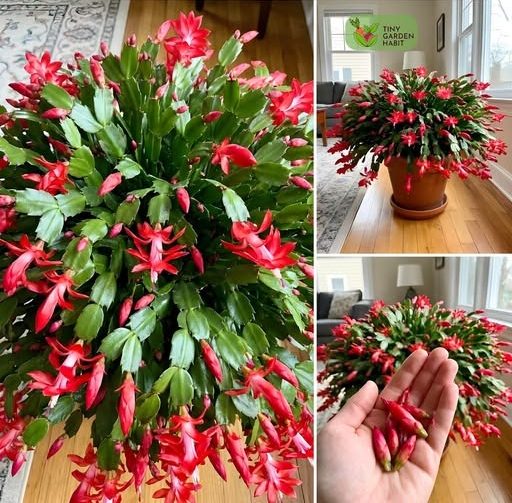
A Month-by-Month Guide for Beautiful Blooms
A Christmas cactus is one of the most beautiful houseplants to display during the holiday season. Its cascading green stems and vibrant flowers can brighten a room just when winter days feel long and gloomy. But if your plant grows plenty of green segments without producing flowers, you may need to adjust not only how you care for it, but also when you care for it.
A Christmas cactus follows a seasonal growth cycle. It rests after flowering, produces new growth during the warmer months, and responds to shorter days and suitable temperatures when it’s time to form flower buds.
This Christmas cactus care calendar breaks the year into simple monthly tasks, helping you manage watering, feeding, pruning, light, and flowering preparation.
Whether your cactus blooms reliably every year or hasn’t flowered in a long time, this guide will help you create a care routine that supports healthy growth and encourages seasonal blooms.
Why a Christmas Cactus Needs a Year-Round Care Calendar
Christmas cactus (Schlumbergera species and hybrids) is a tropical forest cactus, not a desert cactus. It naturally grows in sheltered environments, so it generally prefers bright, indirect light, an airy growing medium, and careful watering rather than prolonged drought.
Its flowering cycle is influenced by light exposure and temperature. Many plants begin setting buds when they receive long, uninterrupted nights and suitably cool conditions for several weeks.
That means the same routine isn’t ideal throughout the entire year. During active growth, your cactus may need more frequent watering and occasional feeding. As flowering approaches, consistent darkness and stable conditions become more important.
The calendar below is a flexible guide. Indoor temperatures, local seasons, cultivar differences, and whether you grow your plant indoors or outdoors can change the exact timing.
Christmas Cactus Care Calendar at a Glance
| Months | Main goal | What to focus on |
|---|---|---|
| January–February | Rest after flowering | Remove faded blooms and adjust watering |
| March–April | Encourage new growth | Light, watering, and gentle feeding |
| May–June | Build healthy stems | Filtered light, drainage, and suitable watering |
| July–August | Maintain mature growth | Avoid excessive fertilizer and late pruning |
| September–October | Encourage flower buds | Long nights and appropriate temperatures |
| November | Protect developing buds | Stable conditions and careful watering |
| December | Enjoy the blooms | Protect flowers and avoid environmental stress |
January–February: Give Your Christmas Cactus Time to Rest
After flowering, your Christmas cactus may look less active. This is a good time to remove spent flowers, check the plant’s overall condition, and prepare for its next growing cycle.
What to do
- Gently remove faded flowers and dead plant material.
- Keep the plant in bright, indirect light.
- Water when the potting mix has partially dried, adjusting frequency to indoor conditions.
- Avoid keeping the roots constantly wet.
- Hold off on fertilizer while growth is slow or the plant is resting.
- Check for pests, damaged stems, and drainage problems.
Some plants produce a second flush of flowers or continue blooming into January, so continue caring for any remaining flowers rather than forcing the plant into a strict rest period.
Pruning tip: If the plant is leggy, you can lightly pinch or trim selected stem tips after flowering. Use clean hands or tools and remove segments at their joints.
March–April: Encourage Fresh Spring Growth
As conditions become brighter and warmer, many Christmas cacti begin producing new stem segments.
This is a good time to resume a more active care routine, but let the plant’s growth guide you rather than following a rigid date.
Watering
As new growth develops, check the potting mix regularly. Water thoroughly when the upper portion has dried sufficiently, then allow all excess water to drain away.
Avoid both extremes: leaving the mix bone dry for long periods during active growth or allowing it to remain soggy.
Fertilizing
Once active growth resumes, apply a balanced, water-soluble houseplant fertilizer according to the product label. A diluted application may be suitable, depending on the fertilizer and growing mix.
Do not feed a plant that has severely damaged roots or is showing signs of stress until the underlying problem is addressed.
Lighting
Keep the cactus in bright, indirect light. Rotate the pot occasionally if one side is receiving substantially more light than the other.
Repotting
Spring can be a convenient time to repot if the plant has outgrown its container or the potting mix has broken down. Choose a pot with drainage holes and avoid moving it into an unnecessarily large container.
May–June: Build Strong, Healthy Stem Segments
During late spring and early summer, the priority is steady, healthy growth.
A well-cared-for Christmas cactus can produce new segments that eventually provide sites for future flowers.
Choose the right location
Your cactus can remain indoors near a bright window or move outdoors when temperatures are suitable. If you take it outside, choose a sheltered location with filtered light or shade.
Never move a plant accustomed to indoor conditions directly into harsh outdoor sunlight. Acclimate it gradually to avoid sunburn.
Keep watering balanced
Plants growing in warmer, brighter conditions may dry out faster. Check the potting mix instead of watering according to a fixed number of days.
Use a well-draining mix that retains some moisture but allows air to reach the roots.
Prune lightly if needed
If you want a fuller shape, lightly pinch a few stem tips after flowering or during an appropriate period of active growth. This may encourage branching.
Avoid heavy pruning, and stop trimming well before your plant begins forming flower buds.
July–August: Maintain Growth and Prepare for Autumn
Late summer is a transition period. Your Christmas cactus still needs healthy growing conditions, but the focus will gradually shift from producing stems to preparing for flowering.
What to do
- Continue providing bright, indirect or filtered light.
- Water according to the moisture level of the potting mix.
- Continue modest feeding only while the plant is actively growing and according to fertilizer directions.
- Avoid excessive fertilizer applications.
- Stop routine pruning as the flowering season approaches.
- Check that the pot drains freely and the roots remain healthy.
You do not need a special high-phosphorus fertilizer to make a Christmas cactus bloom. Healthy roots, suitable light, and the right seasonal temperature and darkness conditions are more important than relying on a particular fertilizer formula.
If you grow your plant outdoors, monitor nighttime temperatures and bring it inside before it is exposed to unsuitable cold.
September–October: Encourage Flower Bud Formation
For many gardeners, autumn is the most important part of the Christmas cactus care calendar.
Christmas cactus typically responds to long, uninterrupted nights and suitable temperatures. These conditions signal that it’s time to prepare for flowering.
1. Provide long, uninterrupted nights
Many Christmas cacti benefit from approximately 12–14 hours of uninterrupted darkness each night for several weeks. A naturally dark room or a consistent day-and-night cycle can help.
Bright artificial light during the night may interfere with flowering in plants that depend on long nights to initiate buds.
The exact response varies with cultivar and temperature, so treat this as a useful starting point rather than a guarantee.
2. Provide suitable temperatures
Cooler nights can help promote flowering. Avoid exposing the plant to extreme cold, sudden temperature changes, or frost.
If the room is warm throughout the night, bud formation may be delayed or reduced in some varieties.
3. Adjust watering carefully
Do not deliberately dehydrate the plant. Instead, let the upper portion of the potting mix dry between waterings and avoid leaving the roots waterlogged.
A plant that is severely stressed by drought or root damage may struggle to form and support flower buds.
4. Stop unnecessary pruning
Once you are preparing for flowering, avoid pinching off new growth. Flower buds develop at stem tips, and pruning can remove potential flowering sites.
5. Be patient
Flower buds may take several weeks to appear. If your plant doesn’t produce buds immediately, review its nighttime light exposure, temperatures, overall health, and watering routine.
November: Protect the Developing Flower Buds
Once tiny buds appear, the goal changes. You no longer need to focus on encouraging new growth; you need to help the buds develop without unnecessary stress.
Keep conditions stable
Choose a bright location with indirect light. Avoid frequent moves, sudden temperature changes, cold drafts, and direct heat from radiators or vents.
Moving a plant does not automatically make it drop its buds, but abrupt changes in light, temperature, or watering can contribute to bud drop.
Water thoughtfully
Flowering plants still need moisture. Check the soil regularly and water when appropriate, allowing excess water to drain.
Do not leave the pot sitting in a water-filled saucer.
Avoid unnecessary feeding
If buds are already forming, additional fertilizer is unlikely to solve flowering problems. Focus on consistent care rather than adding supplements.
Watch for bud drop
If buds fall off, review recent changes to the plant’s environment. Common contributors include temperature fluctuations, inconsistent watering, insufficient light, and other forms of stress.
December: Enjoy the Flowers
If your plant has received appropriate care, December may bring the colorful display you’ve been waiting for.
Christmas cactus flowers can last for days or longer, depending on the variety and growing conditions. You can help preserve the display with a few simple habits.
Keep it away from heat and drafts
Avoid placing the plant next to a heating vent, fireplace, or frequently opened exterior door. Sudden environmental changes can shorten the flowering period.
Maintain appropriate watering
Do not stop watering just because the plant is flowering. Check the potting mix and water when necessary, making sure the container drains properly.
Enjoy the flowers without overhandling the plant
There’s no need to move or rotate the plant repeatedly to display it. Choose a suitable location and let the blooms develop.
What happens after flowering?
Once the flowers fade, remove them gently and allow the plant to move naturally into its next phase. You can then begin planning the following year’s care calendar.
Common Christmas Cactus Care Mistakes to Avoid
Even a well-intentioned routine can prevent your cactus from thriving if it doesn’t match the plant’s needs.
1. Treating it like a desert cactus. Christmas cactus is a tropical forest cactus and generally needs more regular moisture than a desert cactus, while still requiring good drainage.
2. Watering on a strict schedule. Drying rates change with season, temperature, pot size, and light. Check the soil instead.
3. Exposing it to harsh direct sunlight. Sudden exposure can scorch or discolor the stems.
4. Using heavy, poorly draining soil. Waterlogged roots can become damaged and struggle to support the plant.
5. Pruning too close to flowering time. Removing stem tips can remove potential flowering sites.
6. Interrupting the dark period. Inconsistent nights may interfere with bud initiation in plants that respond to photoperiod.
7. Overfertilizing. Excess fertilizer can harm roots and does not guarantee more flowers.
8. Expecting every plant to bloom on the same date. Cultivar, temperature, light, and the plant’s health all affect flowering time.
Frequently Asked Questions
How often should I water a Christmas cactus?
There is no single schedule that works for every home. Check the potting mix and water when the upper portion has dried sufficiently. Water thoroughly, then let excess water drain away.
When should I fertilize my Christmas cactus?
Fertilize modestly during active growth, following the product label. Reduce or stop feeding as growth slows and flowering approaches. A healthy growing environment matters more than a specialized fertilizer formula.
How do I make my Christmas cactus bloom at Christmas?
Provide appropriate light during the day, long uninterrupted nights for several weeks, and suitable temperatures. Avoid late pruning, waterlogging, and sudden environmental changes. These steps can encourage flowering, but exact timing is not guaranteed.
Should I put my Christmas cactus outside in summer?
You can if temperatures are suitable and the plant is protected from harsh direct sunlight. Acclimate it gradually and bring it indoors before cold weather becomes a problem.
Why does my Christmas cactus grow but not flower?
Common reasons include nights that are too short or interrupted by artificial light, warm nighttime temperatures, recent pruning, excessive fertilizer, or general plant stress. Check the plant’s overall health as well as its autumn routine.
Should I stop watering my Christmas cactus to make it bloom?
No. Severe drought can stress the plant. Instead, avoid overwatering and allow the upper portion of the potting mix to dry appropriately between waterings.
Can I still get flowers if I missed the autumn routine?
Possibly. Your plant may still flower depending on its variety and indoor conditions. Continue providing suitable light, watering, and temperatures, then adjust the routine next season if needed.
Is a Thanksgiving cactus cared for in the same way?
The general care principles are similar, but Thanksgiving cactus often flowers earlier. You may need to begin its autumn flowering routine several weeks before the schedule used for a Christmas cactus.
Final Thoughts
The secret to a beautiful Christmas cactus is not a complicated collection of tricks. It’s understanding how the plant changes throughout the year.
Give it a rest after flowering, support healthy growth in spring and summer, provide suitable long nights as autumn approaches, and protect developing buds from sudden changes.
Use this calendar as a flexible guide and adjust it to your plant’s condition and your home’s environment. With consistent care, you can give your Christmas cactus a better chance of producing a beautiful display of holiday flowers.
Save this calendar and revisit it each month to keep your Christmas cactus on track.