
A Professional Guide to Understanding Oregano as a Natural Support Ingredient
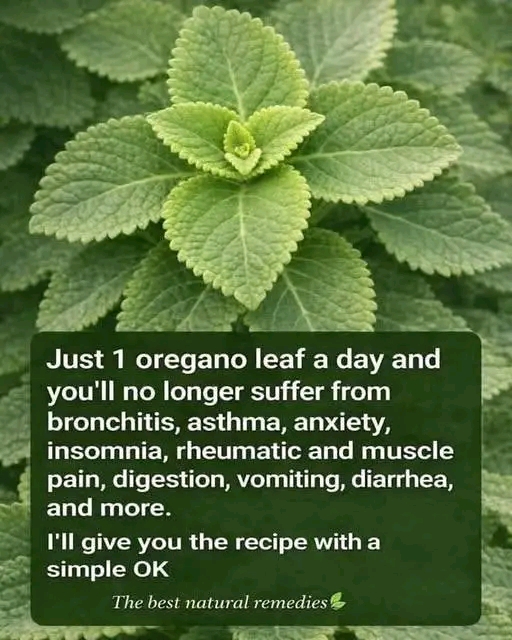
In recent years, natural remedies have gained significant attention across social media platforms and health-focused communities. Among these, oregano leaves have been widely promoted as a powerful solution for a wide range of health concerns. Claims such as “just one oregano leaf a day can eliminate bronchitis, asthma, anxiety, insomnia, digestive problems, and more” have circulated widely, capturing the interest of those seeking simple, natural alternatives to conventional treatments.
While oregano is indeed a valuable herb with a long history of traditional use, it is important to separate fact from exaggeration. This article provides a comprehensive, evidence-based look at oregano—what it is, what it can realistically do, how to use it properly, and why it should be viewed as a supportive ingredient rather than a cure-all.
What Is Oregano?
Oregano is a fragrant herb belonging to the mint family and is scientifically known as Oregano. It is widely used in Mediterranean, Middle Eastern, and Latin cuisines, prized for its warm, slightly bitter flavor and aromatic qualities.
Beyond its culinary uses, oregano has been valued in traditional medicine for centuries. Ancient civilizations, including the Greeks and Romans, used oregano not only as a seasoning but also as a symbol of joy and wellness. Over time, its use expanded into herbal remedies aimed at supporting respiratory health, digestion, and general well-being.
The Appeal of Natural Remedies
The growing interest in natural remedies stems from a desire for simplicity and control over personal health. Many people are drawn to the idea that everyday ingredients—herbs, spices, and plant-based compounds—can offer gentle support without the complexity or side effects sometimes associated with pharmaceutical treatments.
However, this appeal can sometimes lead to the spread of exaggerated or misleading claims. When a single ingredient is presented as a solution for multiple unrelated conditions, it is important to approach such claims with caution and critical thinking.
Understanding the Viral Claim
The statement that “one oregano leaf a day can eliminate bronchitis, asthma, anxiety, insomnia, digestive issues, and more” is a classic example of overgeneralization. While oregano contains beneficial compounds, no single herb can address such a wide range of complex conditions.
Health issues like Asthma, Bronchitis, Anxiety disorder, and Insomnia each have distinct causes, mechanisms, and treatment approaches. Managing them effectively often requires a combination of lifestyle adjustments, medical care, and, in some cases, prescribed medications.
Oregano may play a small supportive role in overall wellness, but it should not be viewed as a replacement for proper diagnosis or treatment.
Nutritional and Chemical Composition
Oregano’s potential benefits come from its rich composition of natural compounds. Among the most notable are:
- Carvacrol – Known for its antimicrobial properties
- Thymol – Often associated with antifungal and antibacterial effects
- Flavonoids – Antioxidants that help combat oxidative stress
- Rosmarinic acid – A compound linked to anti-inflammatory activity
These elements contribute to oregano’s reputation as a health-supporting herb. However, their effects in the body depend on dosage, preparation, and individual health conditions.
Potential Benefits of Oregano
1. Antioxidant Support
Oregano contains compounds that help neutralize free radicals, which are unstable molecules that can contribute to cellular damage. Including antioxidant-rich foods in your diet may support overall health and reduce oxidative stress.
2. Digestive Comfort
Traditionally, oregano has been used to support digestion. It may help stimulate digestive enzymes and reduce mild bloating or discomfort when consumed in moderate amounts.
3. Mild Antimicrobial Properties
Certain compounds in oregano have demonstrated antibacterial and antifungal effects in laboratory settings. While this does not translate directly into medical treatment, it may contribute to general wellness when included as part of a balanced diet.
4. Respiratory Support (Limited)
Oregano tea is sometimes used as a soothing beverage during mild colds or seasonal discomfort. Its warm, aromatic qualities can provide temporary relief, but it does not treat underlying respiratory diseases.
What Oregano Cannot Do
It is essential to clearly understand the limitations of oregano:
- It does not cure chronic diseases
- It does not replace prescribed medications
- It does not provide immediate or guaranteed results
- It does not address the root causes of complex health conditions
Relying solely on oregano for serious health issues can delay proper treatment and potentially worsen outcomes.
Safe and Practical Ways to Use Oregano
Oregano Tea
One of the simplest ways to use oregano is by making a tea:
- 1 teaspoon dried oregano or a few fresh leaves
- 1 cup hot water
- Steep for 5–10 minutes
- Optional: add honey or lemon
This preparation is often used for its soothing and warming qualities.
Culinary Use
Incorporating oregano into your meals is both safe and beneficial. It pairs well with:
- Roasted vegetables
- Grilled meats
- Tomato-based sauces
- Soups and stews
Using oregano in cooking allows you to enjoy its flavor and potential benefits without overconsumption.
Oregano Oil (With Caution)
Oregano oil is a concentrated form of the herb and should be used carefully. It is typically diluted before use and should not be consumed in large quantities without professional guidance.
The Importance of Balanced Health Practices
While natural ingredients like oregano can play a supportive role, they are most effective when combined with broader healthy habits:
- A balanced diet rich in fruits and vegetables
- Regular physical activity
- Adequate sleep
- Stress management
- Access to proper medical care
Health is the result of consistent, long-term practices rather than quick fixes.
Why Misinformation Spreads
Viral health claims often gain traction because they are simple, appealing, and easy to share. The idea that a single, inexpensive ingredient can solve multiple problems is attractive, especially in a fast-paced world where people seek convenient solutions.
However, simplicity can sometimes come at the cost of accuracy. It is important to evaluate sources, question broad claims, and rely on evidence-based information when making health decisions.
When to Seek Medical Advice
If you are experiencing symptoms related to respiratory issues, digestive problems, or mental health concerns, it is essential to consult a qualified healthcare professional. Early diagnosis and appropriate treatment can make a significant difference in outcomes.
Natural remedies can complement medical care, but they should not replace it.
Final Thoughts
Oregano is a valuable herb with a rich history and a range of potential benefits. It can support digestion, provide antioxidants, and add depth of flavor to your meals. However, it is not a miracle cure.
The claim that one oregano leaf a day can eliminate a wide range of health conditions is misleading and not supported by scientific evidence. Understanding the true role of oregano allows you to use it wisely—as part of a balanced, informed approach to health.
By focusing on realistic expectations, high-quality ingredients, and consistent healthy habits, you can make the most of what natural remedies have to offer while avoiding the pitfalls of misinformation.